Forex trading charts are essential tools that help traders understand how currency prices move over time. They display price data and trading volume for each currency pair, allowing you to see the direction of a market trend. In forex chart trading, you study these visuals to decide when to buy or sell based on how one base currency performs against a quote currency.
Many beginners start with charts for forex trading to get familiar with how prices fluctuate. You can find free forex trading charts online. They provide real-time updates, so traders can easily see price movements. These Forex charts make complex data easy to understand. They help you track performance and grasp forex market trends before you trade.
Why are Charts Used in Forex Trading?
Understanding why charts are used in forex trading helps traders make smarter moves in a market that changes fast. Forex trading charts show how currencies move over time. They help investors spot patterns that can indicate future price changes. These patterns form the base for technical analysis, helping traders predict trends and decide when to buy or sell.
The Basic Components of a Forex Trading Chart
When learning forex trading how to read charts, beginners first understand how each chart shows the Opening price, Closing price, Daily high, and Daily low. These values reveal the Price range and help track market activity.
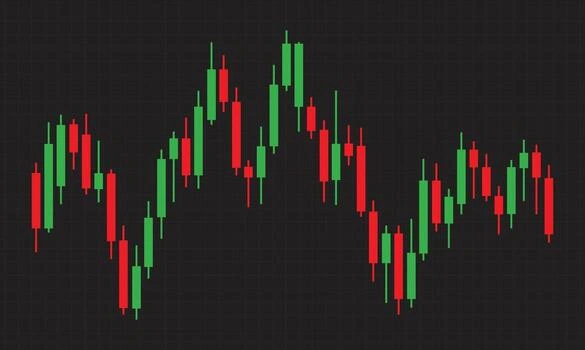
In forex trading charts for beginners, the candle’s Body shows price movement, while the Upper shadow and Lower shadow (the Candlewick) display how far prices moved. Various Chart types and Chart structures highlight these Price points, helping traders identify forex trading chart patterns more easily.
Line Charts
A Line chart connects closing prices on a forex trading live chart, helping traders study historical data and price trendlines for clear trend identification, making it the best chart for forex trading.
Bar Charts
A Bar chart shows price range, highs, and lows, useful for forex daily chart trading and refining a forex daily chart trading strategy by tracking price movement, trading activity, and market volatility.
Candlestick Charts
A Candlestick chart reveals candlestick pattern, candle body, and candlewick on a forex trading 5 min chart or a forex trading time chart, showing bullish pattern or bearish pattern movements during forex trading sessions chart using free forex trading charts free tools.
Common Types of Chart Patterns
Chart patterns in forex trading help traders read forex trading chart patterns with better pattern detection, pattern analysis, and pattern recognition. These technical indicators guide when to enter or exit trades by showing possible market moves.
Continuation
In the forex daily chart trading strategy, Wedges, Ascending triangle, Pennant, and Flag show trend continuation, signaling bullish or bearish trends with clear market signals.
Reversal
Chart pattern in forex trading like Double top, Double bottom, or Head and shoulders, marks trend reversal or price retracement before direction changes.
Bilateral
In chart patterns of forex trading, Symmetrical triangle and Wedge form bilateral setups, giving a market signal when a breakout ends consolidation.
How to Read a Forex Trading Chart in 3 Steps
Reading forex trading charts helps beginners use them for smart trend analysis and clear forex market interpretation.
Identify Your Chart Type
Use forex trading charts free to find the best chart for forex trading—like a line chart, bar chart, or candlestick chart—for quick chart visualization and easy chart comparison.
Identify Common Patterns in a Commission Forex Account
Study each chart pattern in forex trading to improve timing. Learn chart patterns forex trading with pattern analysis, technical indicators, and trend forecasting for better accuracy.
Use Patterns to Make Trading Decisions
Apply forex trading chart analysis to refine your trading strategy. Every forex chart pattern signals the market. These signals help guide trading decisions, manage risk, and indicate price trends.
Common Forex Chart Patterns
Forex trading chart patterns like Double Top, Double Bottom, Head and Shoulders, and Wedges help traders spot trend reversals. In forex trading, chart patterns like Ascending, Descending, and Symmetrical Triangles show market momentum. So do Pennants and Flags. These shapes help traders make better decisions.
Double Top
In forex trading chart patterns, the Double Top indicates a Bearish trend. Here, the price touches the Resistance line twice. This often signals a downward Trend reversal.
Double Bottom
In forex trading chart patterns, the Double Bottom signals a Bullish trend. This happens when the price bounces back twice from a Support line, confirming an upward Trend continuation.
Rounding Bottom
In forex trading, the Rounding Bottom is a chart pattern. It shows a slow trend reversal. This happens after steady market consolidation and leads to an upward move.
Head and Shoulders
In forex trading, the Head and Shoulders pattern shows a Bearish trend. It often indicates a trend reversal near a key Support line.
Ascending Triangle
In forex trading, the Ascending triangle shows a Bullish trend. It forms when the price tests the Resistance line above a strong Support level.
Descending Triangle
In forex trading, the Descending Triangle shows a Bearish trend. This happens when sellers push below the Support level near the Resistance line.
Conclusion
Forex trading charts help traders understand market trends through technical analysis. Using trusted forex trading platforms like Saxo Bank and TradingView, traders can study price patterns with ease. At ForexFlora, practicing trading helps build financial skills. This lets traders feel more confident in forex chart trading and make better decisions.
FAQs
What is the best pattern for trading forex?
It depends on your technical analysis and trading strategy. This comes from forex education and financial literacy.
What are the 42 chart patterns?
They help traders use technical analysis. This improves forex education and builds a stronger trading strategy.
Do chart patterns work in forex?
Yes, with proper technical analysis, forex education, and a solid trading strategy.


Leave A Comment